ARTICLE 8614 / NYLON–SPANDEX
82 Nylon 18 Spandex Fabric | Article 8614
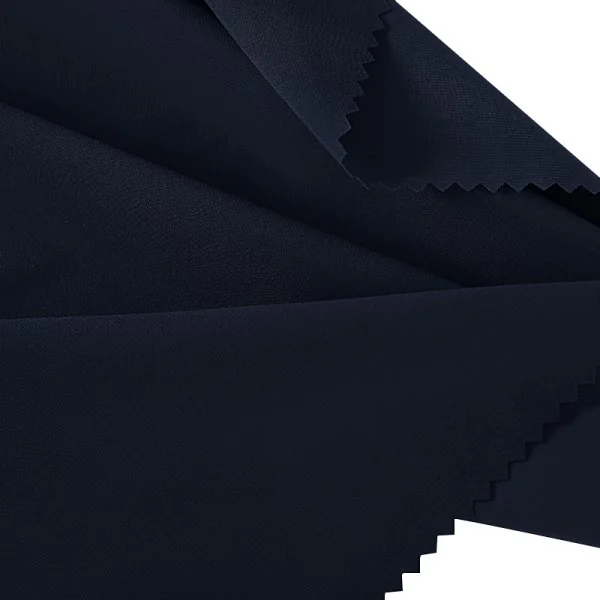
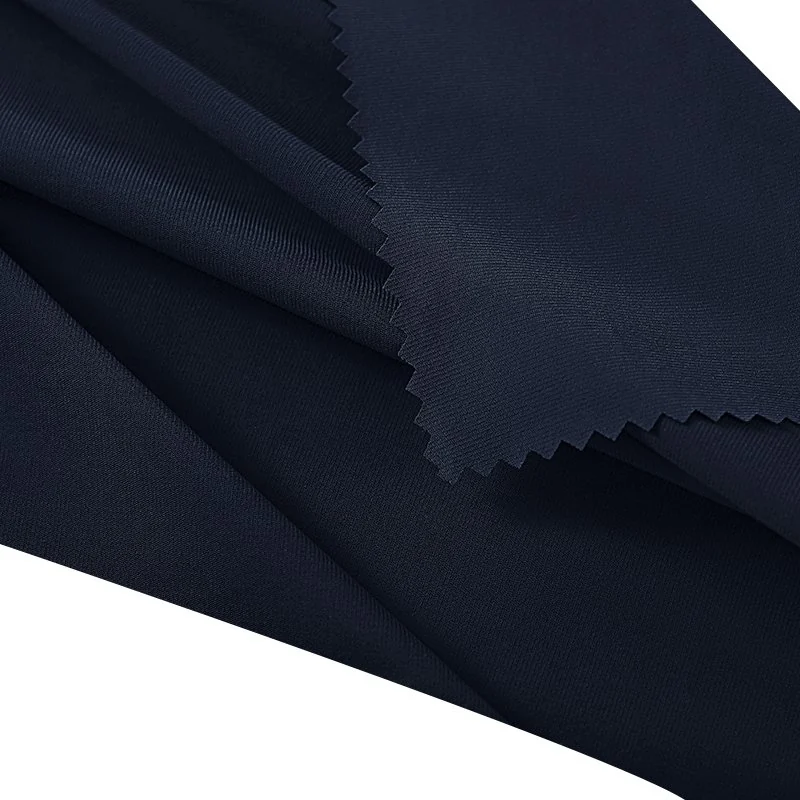
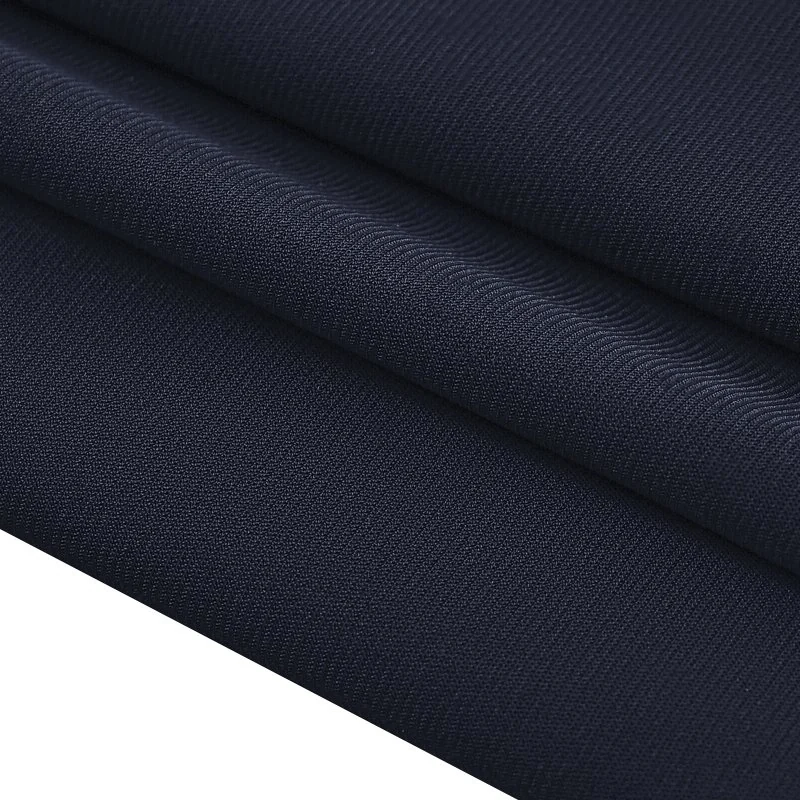
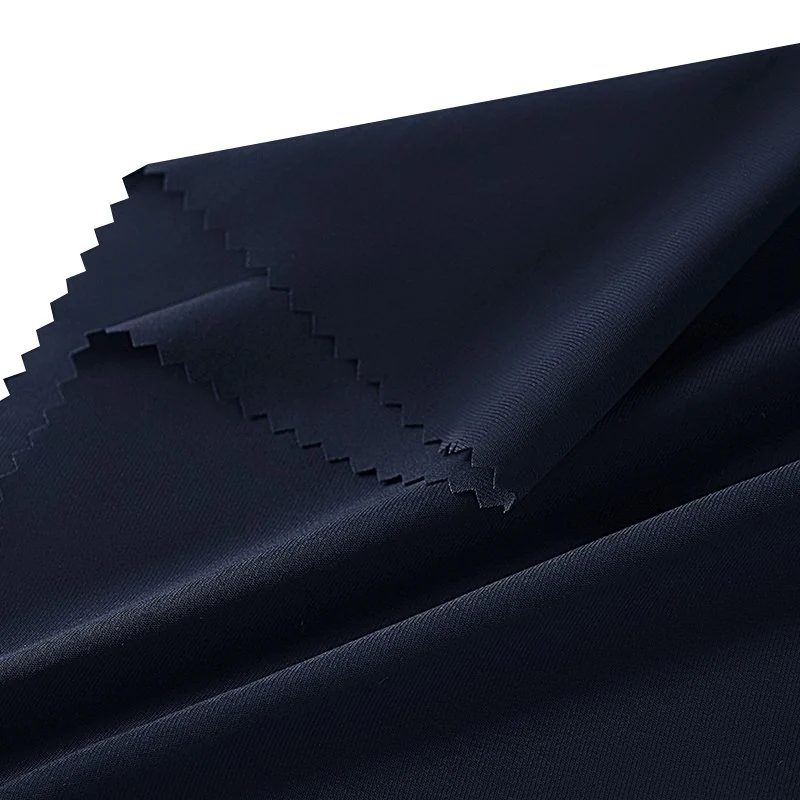
Article 8614 is an 82% nylon, 18% spandex fabric with a textured surface and a specified width of 160 cm. It is intended for outdoor garments, sports T-shirts and casual tops. The texture is the visual starting point for this article; the specified fiber blend contains nylon and spandex.
- Composition
- 82% nylon / 18% spandex
- Specified width
- 160 cm
- Fabric surface
- Natural-looking texture
- Applications
- Outdoor layers, sport tops, casual garments
A textured alternative to a smooth surface
Read the blend line as carefully as the swatch photograph. Article 8614 has a layered, linen-like surface, while its specified fibers are 82% nylon and 18% spandex. The linen-like description belongs to the appearance. It doesn't make this a linen or hemp blend. Keep the composition beside the article name when the material is shared with your design or purchasing team.
Outdoor garments, sports T-shirts and casual tops are the intended uses. Take a flat cutting and place it beside the other materials chosen for the style. Then view it folded or draped. Keep the views and swatch together.
Blend, article reference and width
Article 8614 is specified as 82% nylon and 18% spandex, at a width of 160 cm. Put the article number on the cutting and the inquiry. If you've shortlisted several nylon spandex fabrics, the reference will keep this textured one attached to the correct material record.
For a marker or panel layout, establish the usable cutting width, edge allowance and direction with the material used in the development sample. Calculate yield from that layout. Where the brief includes a fabric-weight test, discuss the measurement with your laboratory; the ASTM fabric-weight reference is a starting point. File the agreed method, sample identity and result with the purchasing brief.
Make a surface-led shortlist
Compare the surface with a smooth article. Article 6602 has a smooth double-face surface, an 80% nylon and 20% spandex composition, and a specified width of 160 cm. Put it beside 8614 and review both in the construction proposed for the garment.
Use the nylon spandex fabric range to keep a material-based shortlist together. For an athletic garment, you can also begin with the activewear fabric selection. Label each cutting, photograph and sewn panel with its article reference.
Evaluate the textured surface in a sewn sample
Choose a representative set of sample pieces. On a T-shirt or casual top, you might review the body panel, neckline and a representative seam together. For an outdoor garment, select the panels and construction details relevant to that style. Repeat that selection in the next sample.
Keep a flat reference cutting alongside the sewn garment. Note the sample color, pattern version and surface direction on both records. If a detail changes, put it beside the next observation rather than relying on memory. Keep both to hand for the final material choice.
Prepare the material inquiry
Include article 8614 in one fabric inquiry, together with the garment type, color direction, sample requirement and estimated fabric quantity. A photograph or reference cutting can show the texture you want. Add any measurements or tests already required by your brief, and send the material reference with those requirements for the quotation discussion.
ARTICLE 8614
Details for your selection.
Does article 8614 contain linen or hemp?
Its specified fiber blend is 82% nylon and 18% spandex. The linen-like description refers to surface appearance, not the fiber composition.
What width is specified for 8614?
The specified width is 160 cm. Establish the usable cutting width with the material used for your development sample.
Which garments is it intended for?
The intended applications include outdoor garments, sports T-shirts and casual tops. Use your garment construction to guide the sample evaluation.
YOUR FABRIC, YOUR BRIEF
Build a sample list.
Start a fabric conversation.
Tell us what you are making and which articles you want to compare. Keep the fabric references and your project requirements together.
Request your fabric selection ↗- 01 / MATERIAL
- Choose the blend.
- 02 / SURFACE
- Find your texture.
- 03 / APPLICATION
- Bring the garment brief.
- 04 / NEXT STEP
- Request cuttings.