ARTICLE 6602 / NYLON–SPANDEX
80 Nylon 20 Spandex Fabric | Article 6602
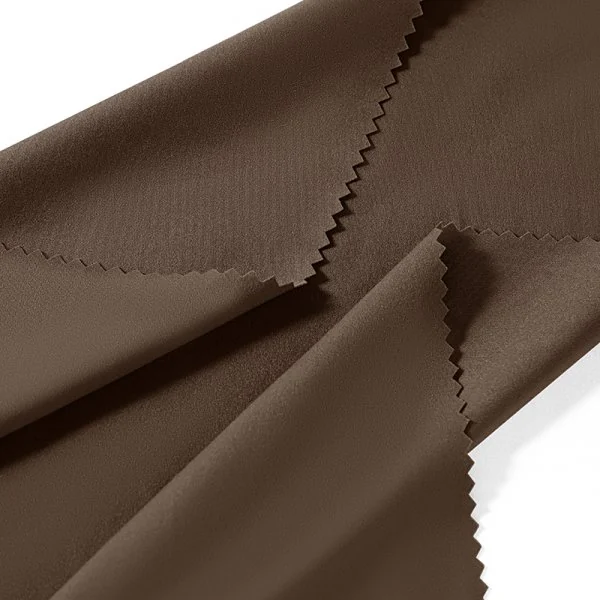
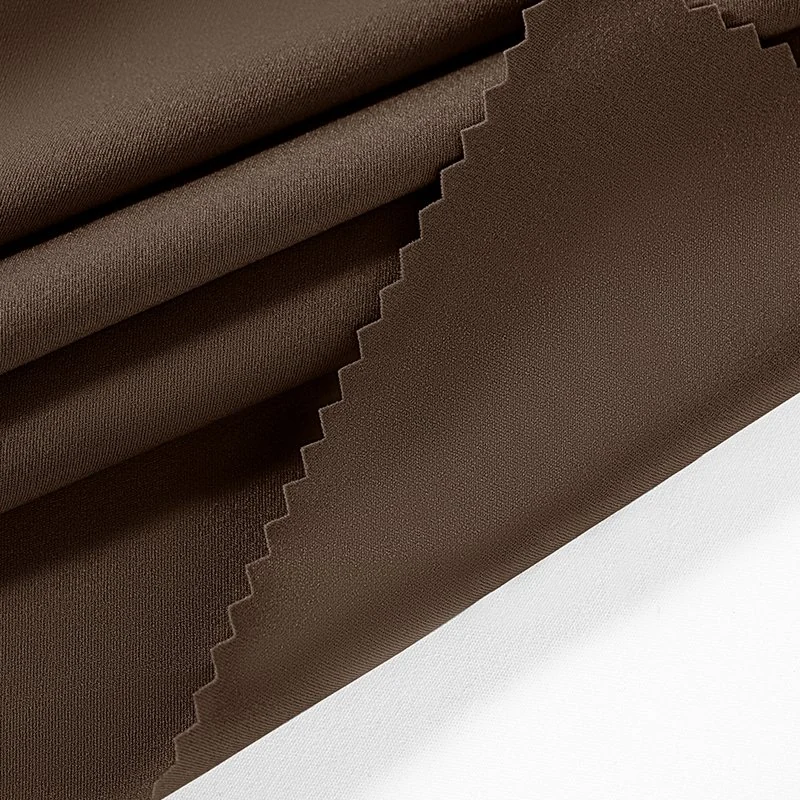
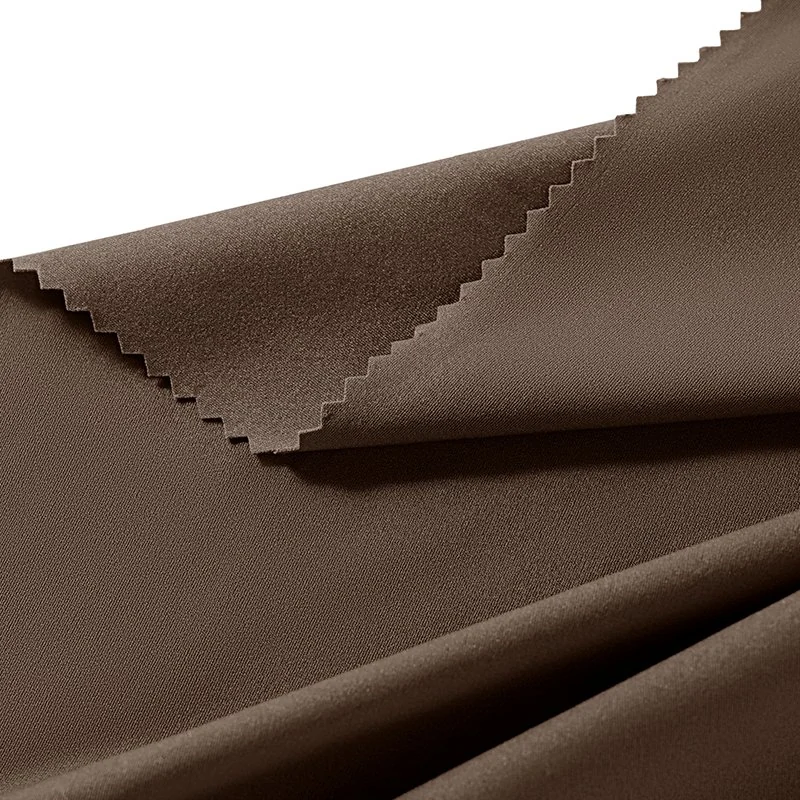
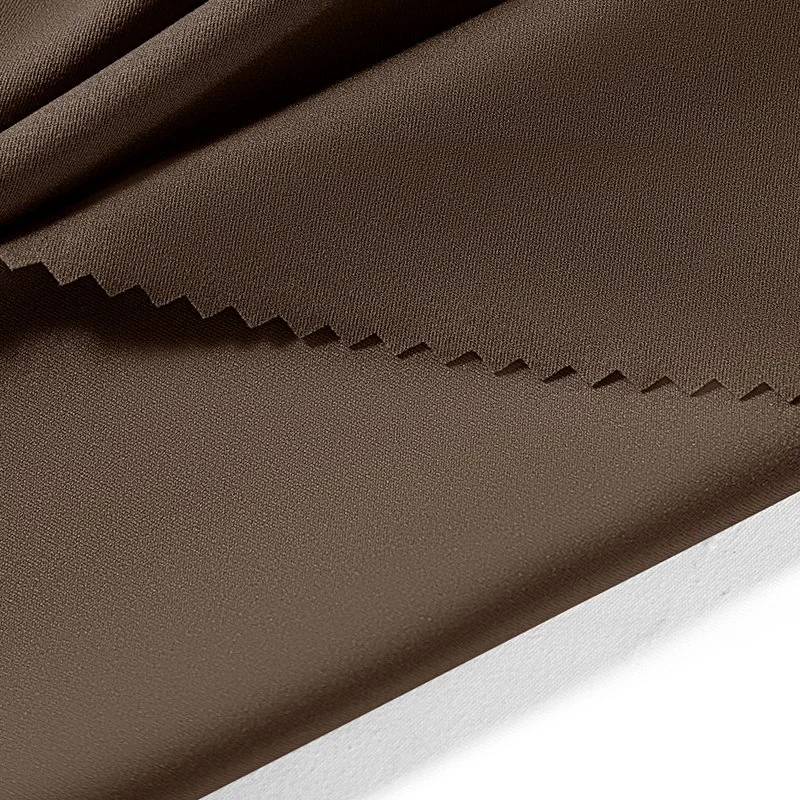
Article 6602 is an 80% nylon, 20% spandex fabric with a smooth double-face surface and a specified width of 160 cm. It is a fabric option for yoga garments, fitted base layers and casual underwear. Choose it when your design calls for a smooth surface on both sides rather than a pronounced rib texture.
- Composition
- 80% nylon / 20% spandex
- Specified width
- 160 cm
- Fabric surface
- Smooth, double-face
- Applications
- Yoga wear, fitted layers, underwear
A smooth surface for fitted garment development
Start with the surface. Article 6602 has a fine, smooth appearance on both sides. Put a cutting beside the garment or fabric reference you're working from and look at each face. The hand, appearance and drape are useful things to compare before you move on to a full garment sample.
Its intended uses include yoga pants, fitted tops and casual underwear. The first sample can answer a different question for each style. For a yoga top, review the neckline, underarm seam and hem together. A fitted base layer may need an earlier look at the silhouette and seam placement. Choose the details that matter to the pattern in front of you.
Composition and width
The specified blend is 80% nylon and 20% spandex. The specified width is 160 cm. Keep article 6602 on the cutting and sample records throughout the comparison. An 80/20 blend identifies the material; it doesn't describe a measured stretch percentage or tell you how the finished garment will fit.
Review your marker against the usable width, edge allowance and fabric direction established for the material you receive. Calculate the cutting yield from that layout. If fabric weight is part of the purchasing brief, ASTM's fabric-weight methods can help frame the measurement discussion with your laboratory. Record the agreed method beside the result so your team knows what it is comparing.
Compare surface choices before choosing an article
Does the design need a visible rib? Place this article beside ribbed nylon spandex article 6609. That option has a 75% nylon, 25% spandex composition and a 150 cm specified width. Surface, blend and width give you concrete points to compare. Use the sewn samples to decide which surface and construction suit your garment.
The nylon spandex fabric range is useful if you're still choosing the material family. If the garment application is already fixed, start with the yoga wear fabric selection. Keep the shortlist focused: each cutting should have a clear reason for being in the review, such as its smooth surface or the appearance you're developing.
Put the sample to work
Move from a flat cutting to a sewn sample using your intended construction. Note the face used, sample color, pattern reference and observations in the same record. A note about a neckline or a particular seam is easier for the next reviewer to act on than “feels better.” You'll also have a useful trail if the pattern changes later.
Keep the earlier cutting beside the next sample. If a seam or pattern piece has changed, record it with the new observation. Don't leave the team to guess which fabric, face or construction produced the appearance being discussed.
Prepare one focused fabric inquiry
Use article 6602 as the reference. Include the garment type, preferred color direction, sample requirement and estimated fabric quantity, along with the target width and any measurements or tests already in your brief. A reference cutting can show the surface, hand or appearance you want to retain. Send those details together through the fabric inquiry form.
ARTICLE 6602
Details for your selection.
What is the composition of article 6602?
Article 6602 is specified as 80% nylon and 20% spandex. Its width is specified as 160 cm.
Is the surface smooth or ribbed?
6602 has a smooth double-face surface. Article 6609 is the ribbed alternative in this comparison.
Which garments is 6602 intended for?
The intended applications include yoga garments, fitted base layers and casual underwear. Evaluate the fabric in the construction planned for your garment.
YOUR FABRIC, YOUR BRIEF
Build a sample list.
Start a fabric conversation.
Tell us what you are making and which articles you want to compare. Keep the fabric references and your project requirements together.
Request your fabric selection ↗- 01 / MATERIAL
- Choose the blend.
- 02 / SURFACE
- Find your texture.
- 03 / APPLICATION
- Bring the garment brief.
- 04 / NEXT STEP
- Request cuttings.